Sequencing route reconnaissance when several roads are reported cut
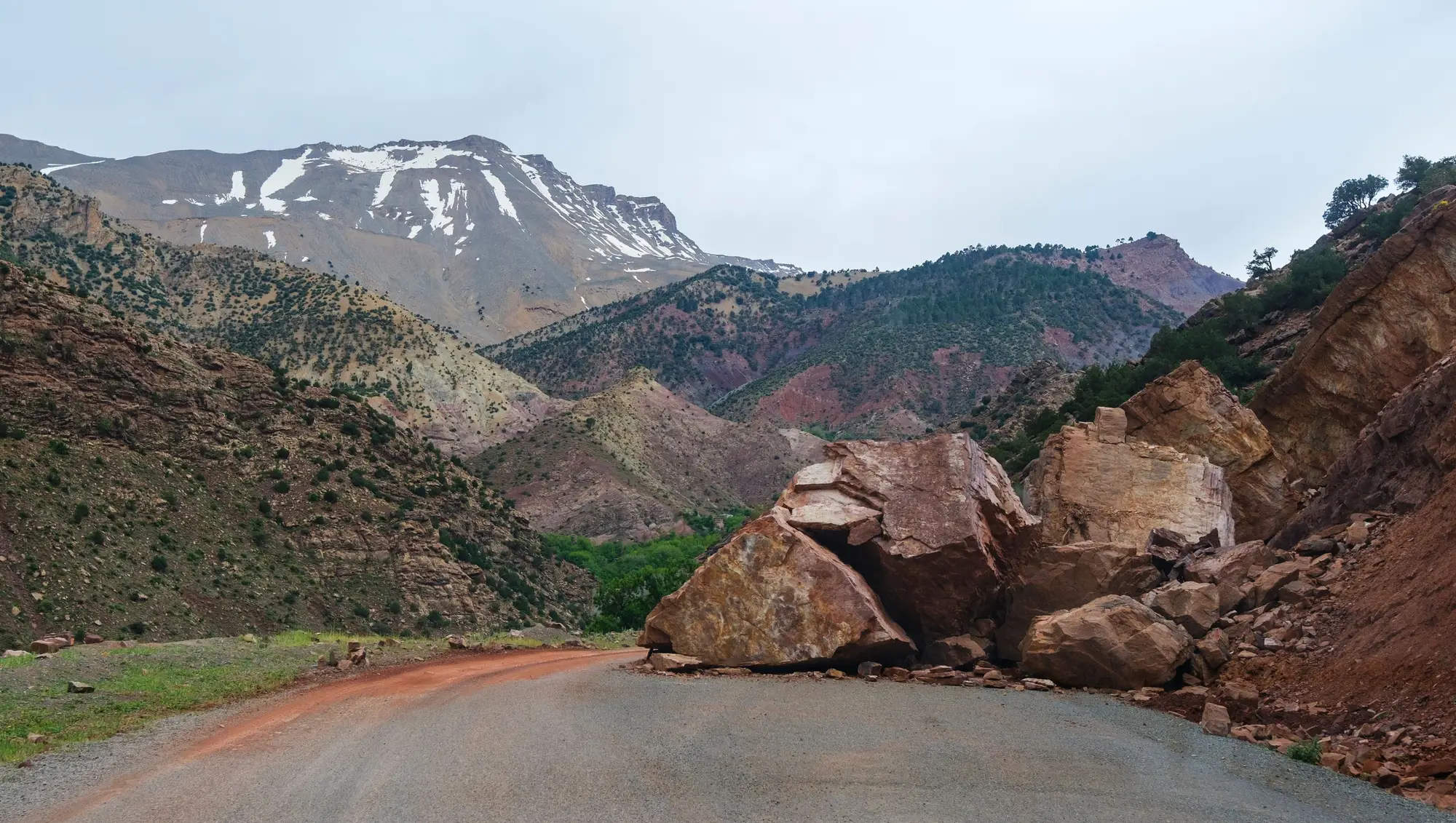
It never comes in as one clean report. It's a liaison on the radio, a partner agency's field text, and a driver who turned around before dawn, all naming different stretches of the same corridor system within a few hours of each other. Five roads reported cut, three teams available to check them, and a convoy that was supposed to roll at first light. The real job here is deciding which team checks which segment first, not the checking itself.
Rank by what the convoy needs, not what got reported first
The order reports arrive in has nothing to do with the order they matter in. A feeder road to a secondary distribution point that gets flagged first will pull a recon team off the trunk route that three convoys are staged to use that same day. Before sending anyone out, lay the reported cuts against your routing plan for the next 48 to 72 hours and ask which segment, if still blocked, actually stops a scheduled movement. A washout on a road nobody's using until next week waits. A bridge down on the only corridor into a staging area doesn't.
This sounds obvious written out. Under radio traffic and five reports stacking up in twenty minutes, it isn't. Write the ranking down, even roughly, before dispatching anyone. Teams in the field will ask what's next, and you want an answer that isn't "whichever came in last."
Separate confirmed from reported
Not every call that comes in is a confirmed cut. Some are a driver seeing standing water and assuming the worst, some are secondhand from a village contact three roads away from where they're describing. Before a recon team burns daylight on a segment, check whether anyone has laid eyes on it or whether it's still a rumor traveling faster than the water receded.
This is where cross-checking ground calls against an imagery-based change map pays off. Route Disruption Mapping compares the latest imagery pass against the one before it and flags each segment where a bridge is down, a section is washed out, or debris blocks the roadway, with the before and after image pair behind every flag. If a report says a bridge is out and the flag confirms a downed span there, that segment moves to the top of the recon queue so a team can verify condition and scout the detour, not spend time confirming the cut exists at all. If five roads are reported and the change layer only shows disruption on two of them, three recon teams just got reassigned without anyone driving out to chase a rumor.
It doesn't replace the ground visit. A flagged segment still needs eyes on it to call load limits, fording depth, or whether a detour track will hold a loaded truck. What it does is tell you where to send the eyes first.
Build the recon order as a running list, not a one-time call
Treat the sequence as something you update through the day, not a decision made once at 6 a.m. and left alone. New reports will come in while the first recon teams are still out. Keep the ranking visible, cross off confirmed-clear segments, and reshuffle when a team radios back that a "minor debris" report turns out to be a collapsed culvert needing an engineer, not a shovel crew.
A few things worth building into that running order:
- Which segments are on the only route into a staging area versus which have a workable alternate already
- Which reports are confirmed by more than one source versus a single call
- Which recon teams are closest to which segments right now, not where they started the morning
None of this cuts the number of roads that need checking. It cuts the time spent checking the wrong one first, and on a day when convoys are already staged and waiting, that's the time you don't have to spare.
If scattered ground reports are what's deciding your recon order right now, a change map showing what's cut since the last imagery pass is worth a look before the next round of calls starts.